
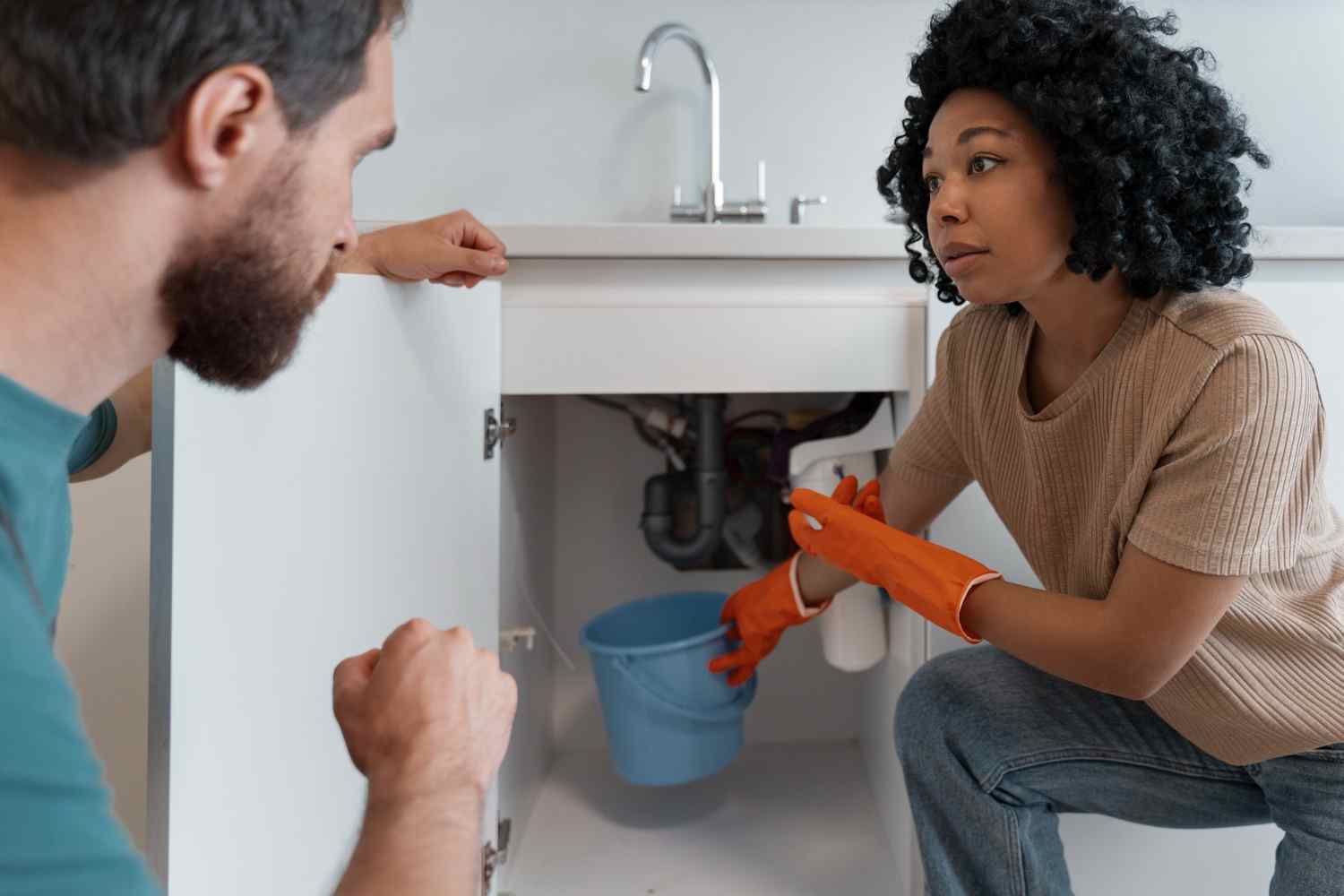

Water leaks are one of the most common yet costly problems homeowners face, especially in a city like Winnipeg where extreme weather can put extra pressure on plumbing systems. Even a small hidden leak can lead to structural damage, mold growth, and higher utility bills if ignored. At Browns Plumbing, homeowners get reliable leak repair solutions that not only fix the issue but also prevent future damage. Understanding how to detect and fix leaks early can save you time, money, and stress.
Why Water Leaks Are a Bigger Problem Than You Think
Many leaks start small and go unnoticed for weeks or even months. During that time, water slowly damages walls, floors, and foundations.
In Winnipeg, the risk becomes even higher due to freezing and thawing cycles that can weaken pipes. What starts as a minor crack can quickly turn into a major leak.
Early detection is the key to avoiding expensive repairs.
Common Signs of Water Leaks in Your Home
Not all leaks are obvious. Some stay hidden behind walls or under floors. Knowing what to look for can help you catch problems early.
Unexplained Increase in Water Bills
A sudden spike in your water bill without increased usage is often the first sign of a hidden leak.
Damp or Discolored Walls and Ceilings
Water stains, bubbling paint, or soft drywall usually indicate moisture buildup behind surfaces.
Musty Odors
Persistent damp smells can be a sign of hidden leaks and possible mold growth.
Low Water Pressure
Leaks in pipes can reduce the overall pressure in your plumbing system.
Sounds of Running Water
If you hear water running when no taps are on, there may be a leak somewhere in your system.
Where Leaks Commonly Occur
Understanding common leak locations helps narrow down the problem.
Under sinks and around fixtures
Behind walls where pipes run
Basements and crawl spaces
Around water heaters
Near washing machines and dishwashers
In Winnipeg homes, basements are especially vulnerable due to moisture and temperature changes.
Simple Ways to Detect a Leak Early
You do not always need advanced tools to identify a leak. Some simple checks can help you confirm if there is a problem.
Check Your Water Meter
Turn off all water in your home and monitor the meter. If it continues to move, you likely have a leak.
Inspect Visible Pipes
Look for corrosion, cracks, or moisture around exposed pipes.
Use the Food Coloring Test
Add food coloring to your toilet tank. If the color appears in the bowl without flushing, there is a leak.
These quick tests can help you act before the damage spreads.
How to Fix Minor Water Leaks
Some small leaks can be managed temporarily until professional help arrives.
Tightening loose pipe connections
Replacing worn out washers or seals
Using plumber’s tape for small pipe leaks
However, these are short term fixes. If the issue keeps coming back, it needs proper repair.
Why Professional Leak Repair Is the Better Option
While DIY fixes may seem convenient, they often do not address the root cause.
Professional plumbers:
Accurately locate hidden leaks
Use proper tools and techniques
Repair damage safely and effectively
Prevent future leaks from developing
This ensures the problem is solved completely instead of temporarily.
How Winnipeg Weather Affects Leak Problems
Winnipeg’s cold climate plays a major role in plumbing issues.
Freezing temperatures can cause pipes to expand and crack. When the ice melts, leaks begin. This cycle can repeat throughout winter, making proper insulation and installation critical.
Homes without proper protection are more likely to experience recurring leaks.
Preventing Water Leaks Before They Start
Prevention is always better than repair.
Regularly inspect pipes and fixtures
Insulate pipes during winter
Fix small issues immediately
Schedule routine plumbing maintenance
Monitor water pressure levels
Taking these steps reduces the chances of unexpected leaks.
When to Call a Professional Immediately
Some situations require urgent attention.
Water pooling inside your home
Sudden drop in water pressure
Visible pipe bursts
Signs of mold or strong damp odors
Continuous water meter movement
Ignoring these signs can lead to serious structural damage.