
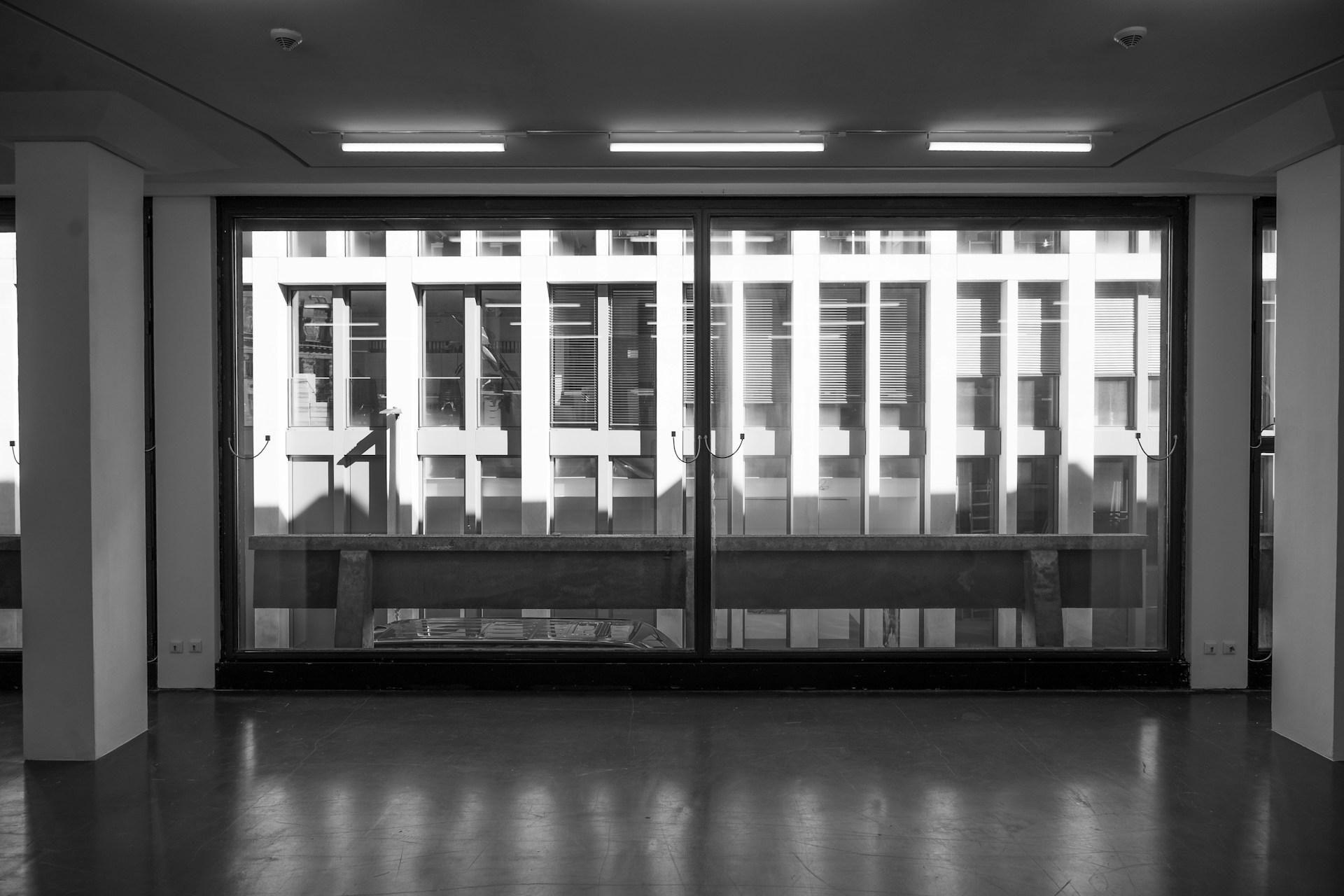

First impressions matter, especially in commercial spaces. The moment someone approaches your building, they begin forming opinions about your business. What better way to welcome visitors than with smooth, effortless entry that exudes professionalism and modernity?
Automatic sliding doors have become the hallmark of contemporary architecture, transforming ordinary entrances into impressive gateways that combine functionality, aesthetics, and accessibility.
The Evolution of Building Entrances
Gone are the days when manual doors were the only option for building access. Today’s architecture demands solutions that accommodate high foot traffic, enhance energy efficiency, and create memorable experiences. Automatic sliding doors answer all these needs while adding a touch of sophistication that elevates any property.
From upscale retail stores and bustling hospitals to corporate offices and hotels, these intelligent door systems have become essential infrastructure. They represent progress, convenience, and a commitment to providing barrier-free access for everyone.
Key Benefits That Make a Difference
Installing automatic sliding doors delivers advantages that extend far beyond simple convenience:
- Enhanced Accessibility: Provides effortless entry for people with disabilities, elderly visitors, parents with strollers, and anyone carrying heavy items
- Improved Energy Efficiency: Doors open only when needed and close promptly, minimizing air conditioning or heating loss compared to constantly swinging doors
- Superior Traffic Flow: Accommodates high volumes of people smoothly without bottlenecks or congestion at entry points
- Hygienic Solution: Touchless operation reduces surface contact, particularly important in healthcare facilities and food service establishments
- Space Optimization: Sliding mechanism requires no swing clearance, maximizing usable floor space near entrances
- Professional Image: Creates an impressive, modern aesthetic that elevates brand perception
- Safety Features: Built-in sensors prevent closing on people or objects, reducing injury risks
- Noise Reduction: Quiet operation maintains peaceful environments in professional settings
Choosing Between Framed and Frameless Options
When selecting automatic sliding doors, one major decision involves choosing between framed and frameless designs. Both offer unique advantages depending on your specific requirements and aesthetic preferences.
1. Framed Automatic Sliding Doors
Framed doors feature visible aluminum or steel frames surrounding the glass panels. They provide exceptional structural support and durability, making them ideal for high-traffic commercial environments that demand rugged performance. The frames come in various finishes and colors, allowing coordination with existing architecture. These systems typically offer easier installation and lower initial costs while maintaining professional appearance and reliable operation.
2. Frameless Automatic Sliding Doors
Frameless designs eliminate visible frames, creating stunning, unobstructed glass entrances that maximize natural light and visual transparency. These premium systems deliver contemporary elegance perfect for luxury retail boutiques, high-end hotels, corporate headquarters, and modern architectural statements. While requiring more precise installation and typically commanding higher prices, frameless automatic doors create unforgettable first impressions that communicate sophistication and attention to detail.
Essential Features to Consider
When investing in automatic sliding doors, look for quality sensors that reliably detect approaching traffic from multiple angles. Advanced systems incorporate safety beams preventing closure when someone is in the doorway.
Weather sealing capabilities matter, especially for exterior installations. Quality doors include seals that prevent drafts, water infiltration, and dust entry while maintaining energy efficiency.
Backup power systems ensure continued operation during electrical outages, particularly crucial for buildings requiring constant accessibility like hospitals or hotels.
Customization options allow you to specify door width, glass type, opening speed, and activation sensitivity to match your unique requirements.
Conclusion
Automatic sliding doors represent significant value for properties prioritizing accessibility, efficiency, and modern design. They reduce operational costs, enhance visitor experiences, and position your building as forward-thinking and welcoming to all.