
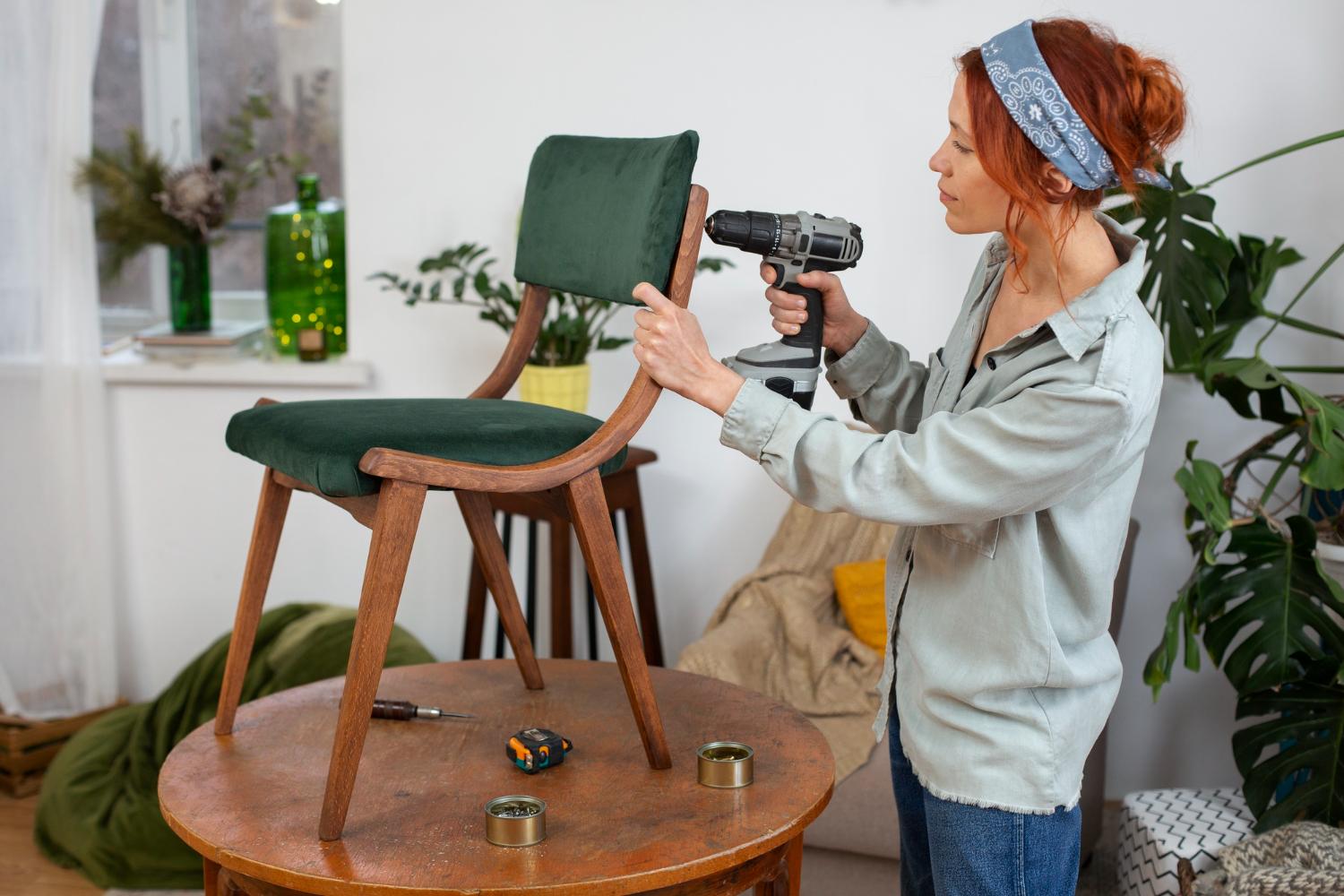

In an era of convenience and disposability, furniture restoration offers an increasingly strategic and value-driven alternative to replacement. More than a sentimental gesture or hobbyist’s pursuit, restoration speaks to a deeper intersection of sustainability, craftsmanship, economic logic, and design continuity, making it particularly relevant for design-savvy homeowners and professional spaces alike.
Heritage Craftsmanship That Can’t Be Replicated
Pre-1980s furniture was typically built using joinery methods, solid woods, and finishes designed to last decades. These pieces have structural integrity that modern mass-market furniture can’t replicate. Restoration taps into this built-in longevity, often revealing that a well-made 50-year-old frame, once stripped and refinished, can outperform contemporary “fast furniture” both in durability and visual character.
Strategic Sustainability
While environmental benefits are often discussed, few realise just how inefficient and carbon-intensive furniture manufacturing has become. MDF and particleboard-based furnishings not only degrade faster but also release formaldehyde and VOCs over time. By restoring existing furniture, you extend product life cycles without contributing to this cycle of waste. It’s not just green—it’s an economically and ethically superior materials strategy.
Architectural and Aesthetic Continuity
Professionally restored pieces preserve architectural harmony, especially in heritage properties or character homes. Replacing period-appropriate furniture with modern designs often introduces visual dissonance. Restoration allows for upgrades—like integrating soft-close drawers or new fabrics—while maintaining stylistic coherence. This approach respects the design language of your space and delivers better resale value down the line.
Customisation with Context
One often-overlooked benefit is contextual customisation. Restoration allows for targeted adaptation: changing upholstery to suit evolving design trends, applying protective coatings suited to local humidity, or reinforcing joinery to accommodate modern usage demands. These refinements are guided by the piece’s original construction—an informed update rather than a generic swap.
ROI and Asset Appreciation
High-quality vintage or mid-century stone furniture is not just functional—it’s increasingly collectible. Brands like G-Plan, Ercol, or even anonymous 20th-century makers are rising in secondary-market value. Restoration performed by reputable professionals can multiply a piece’s market worth. In commercial or hospitality settings, restored furniture adds perceived value and distinguishes the space with curated authenticity.
Informed property owners and interior designers are rediscovering furniture restoration not as a nostalgic gesture, but as a practical, strategic design decision. It’s about leveraging existing assets with high ROI, reducing environmental impact, and preserving both aesthetic and material quality in a marketplace oversaturated with the temporary and disposable.