
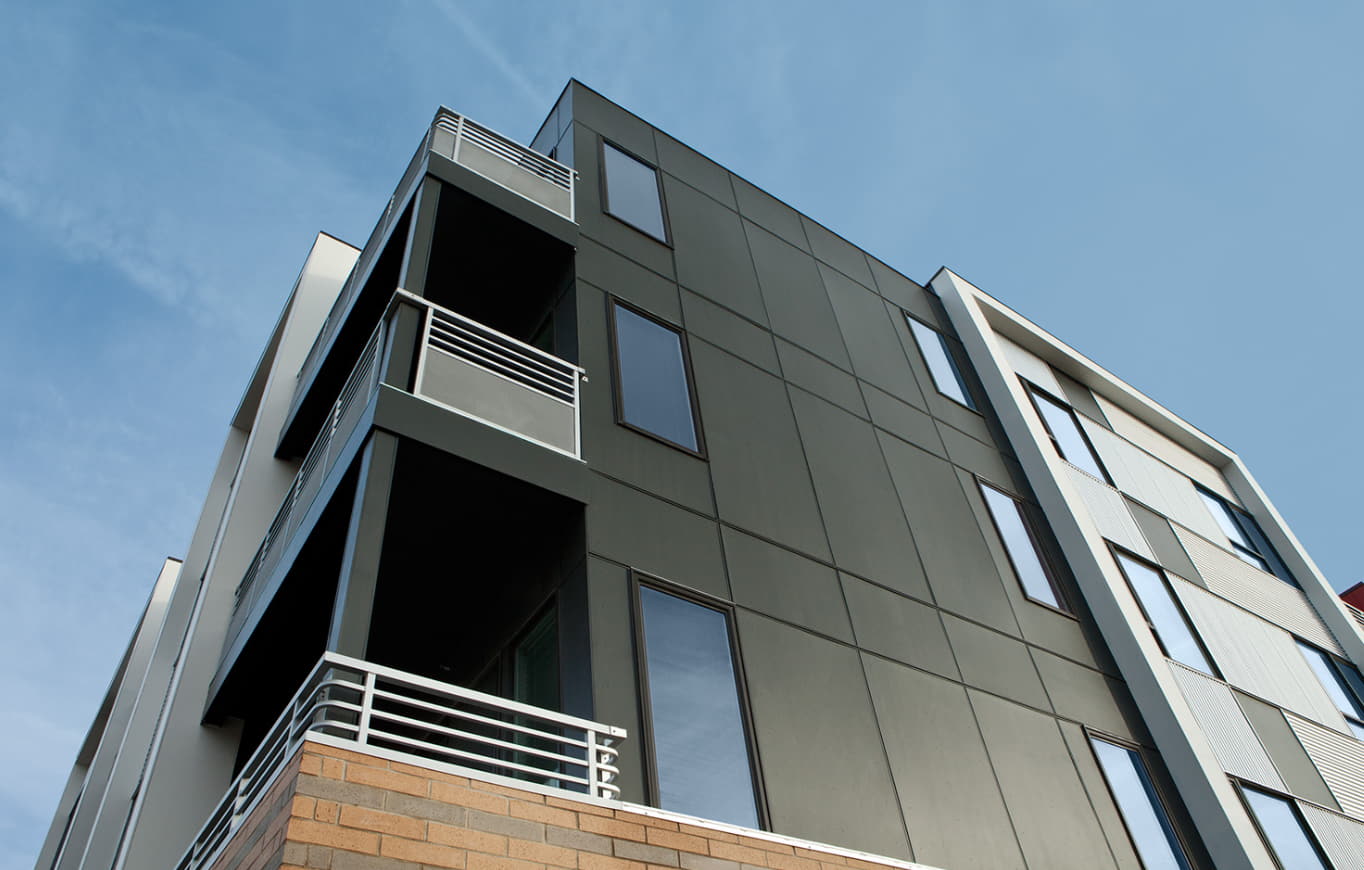

In the realm of construction, one element stands as a silent sentinel, bearing the brunt of nature’s fury while protecting the structures it encases. That element is siding, specifically commercial siding. A building’s first line of defence against the elements, this unassuming component plays a pivotal role in the durability and longevity of commercial properties.
The Role of Siding in Commercial Buildings
Siding serves as the skin of a building, providing both aesthetic appeal and functional protection. It shields the internal structure from harsh weather conditions, including heavy rain, snow, wind, and extreme temperatures. Simultaneously, it contributes to the building’s thermal efficiency, helping to maintain a comfortable indoor environment regardless of the weather outside.
Weather Resistance: A Key Feature of Building Cladding
Whether it’s the scorching heat of summer, the bitter cold of winter, or the relentless assault of wind-driven rain, a well-chosen siding material can resist these challenges with remarkable resilience.
For instance, materials like vinyl, fibre cement, and metal are known for their durability and weather resistance. These materials do not warp, crack, or rot easily, making them ideal choices for commercial buildings exposed to diverse weather conditions.
The Impact of Material Choice on Durability
The choice of material plays a significant role in determining the sturdiness and lifespan of building cladding. Vinyl, for example, is a popular choice due to its affordability and low maintenance requirements. It’s resistant to common issues like insect damage and decay, making it a cost-effective option for many businesses.
On the other hand, fibre cement offers superior durability and can emulate the appearance of wood, stone, or brick, giving public buildings a touch of elegance without the associated maintenance challenges.
Metal, particularly steel and aluminum, is another robust option. It’s highly resistant to fire, wind, and impact damage. This resistance makes it a preferred choice for commercial properties located in areas prone to severe weather conditions or fires.
Maintenance: Extending the Lifespan of Building Envelope
Regular inspection and cleaning can prevent minor issues from escalating into significant problems, extending the lifespan of the building envelope.
For instance, removing dirt and debris can prevent the buildup of moisture, which can lead to mould growth and structural damage. Similarly, addressing minor damages promptly, such as small cracks or loose panels, can prevent water intrusion and subsequent internal damage.
Conclusion:
The resilience of commercial siding is a testament to its critical role in protecting commercial buildings. By choosing high-quality materials and ensuring regular maintenance, businesses can weather the elements effectively, preserving the integrity and aesthetics of their properties for years to come.